Best time to visit — month-by-month advice for Tokyo and Shibuya
Spring (late March–early April) for cherry blossoms and autumn (October–November) for clear weather and foliage are the two best windows to visit Tokyo and Shibuya. If you want fewer crowds and lower rates, visit in winter (January–March) outside holiday weeks; avoid early June–mid July if you prefer to skip the rainy season.
In this guide
- January–February: winter city, quieter streets
- March–April: cherry blossom peak (spring)
- May: mild weather and Golden Week crowds
- June–mid July: rainy season (tsuyu)
- August: hot summer and festival season
- September–October: typhoon risk then autumn clarity
- November–December: autumn colors and holiday lights
January–February: winter city, quieter streets
Tokyo is in low season from January through March. Expect cold, crisp days with average temperatures often between about 5–13°C and generally fewer tourists than spring or autumn.
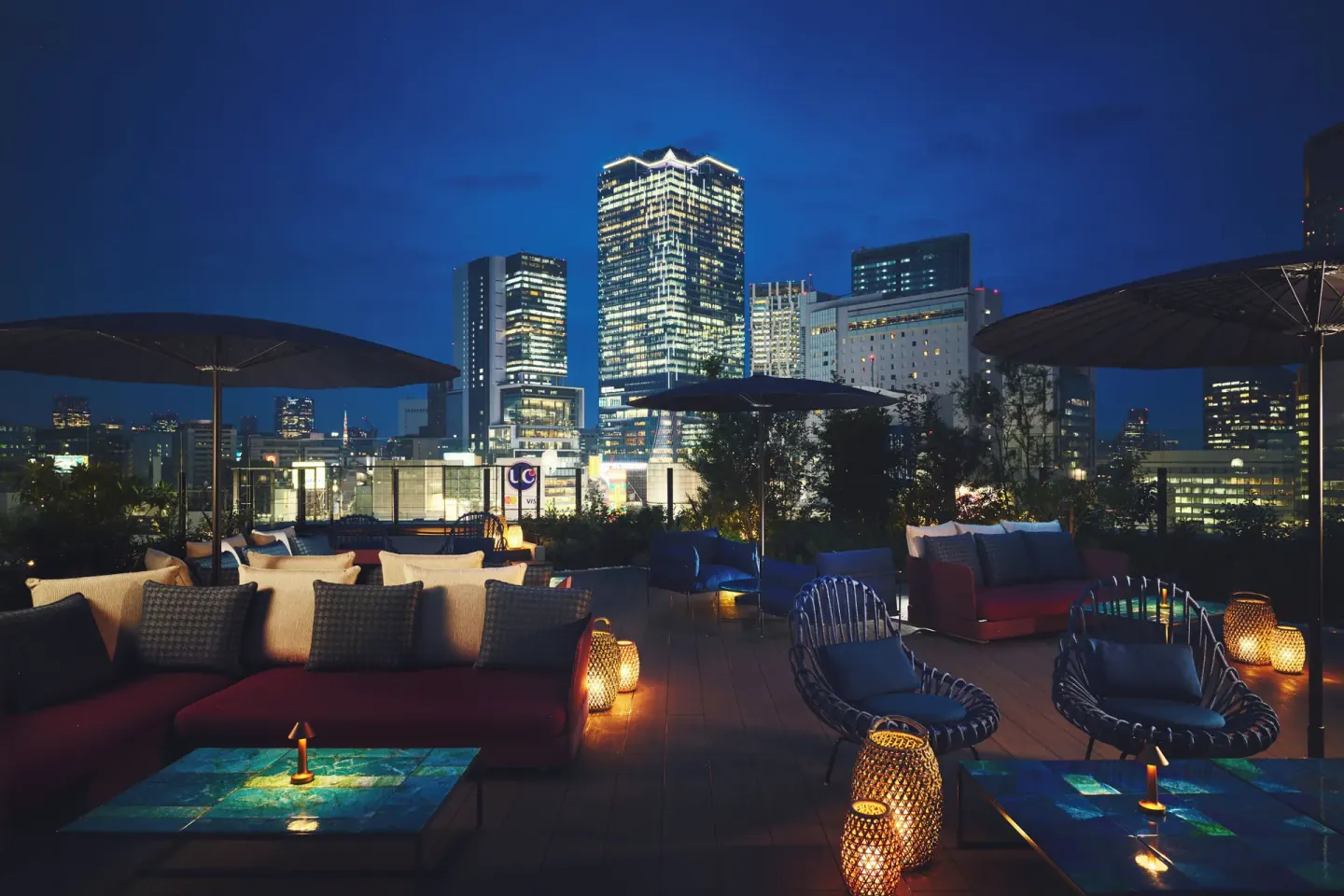
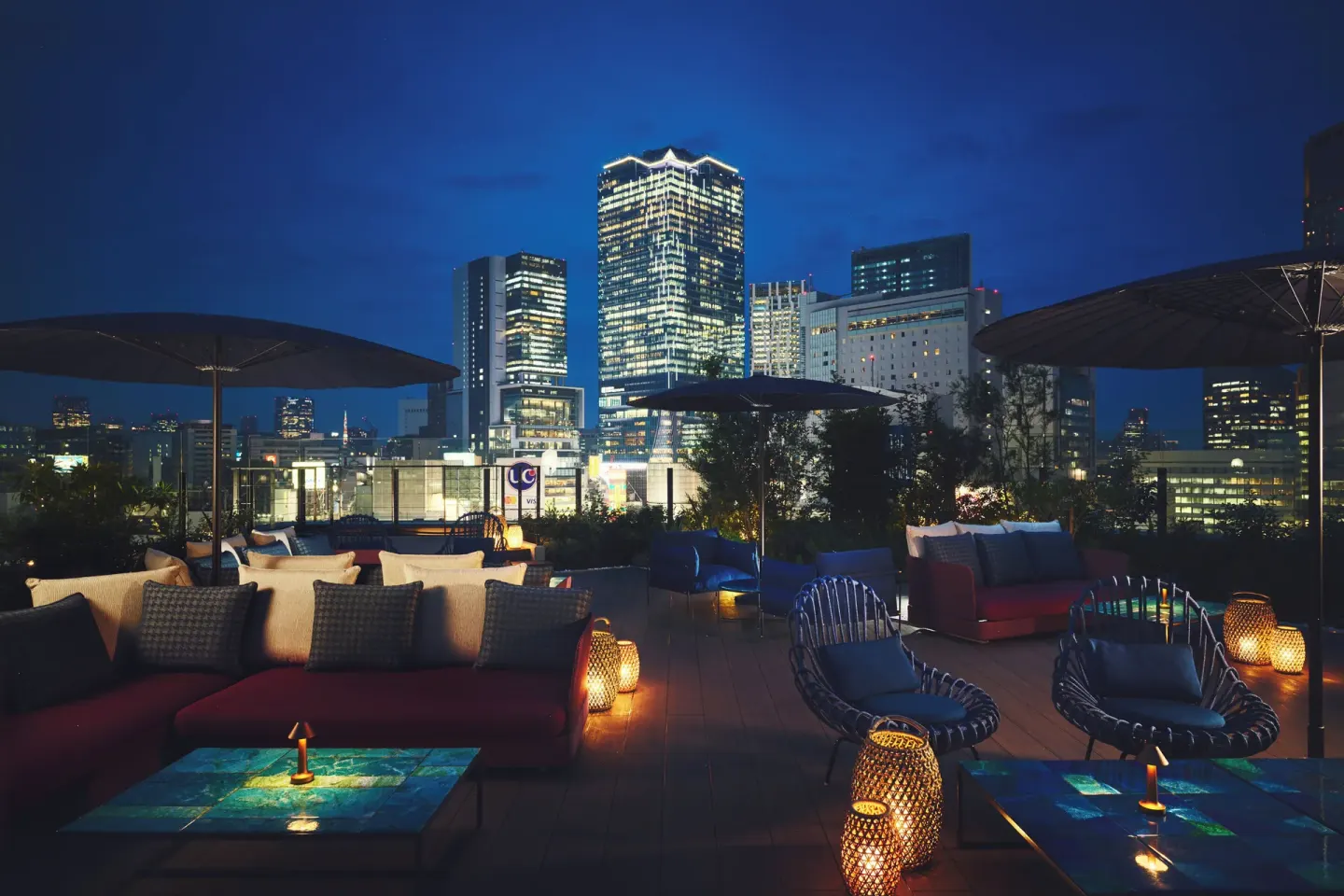
This is a good time for lower hotel rates and short lines at popular indoor attractions, museums and restaurants around Shibuya. Nights are clear often enough for city-skyline views from the hotel's upper floors and rooftop terrace.
- Weather: cool and dry — pack a warm coat and layers
- Crowds: light at major sights; easy access to Shibuya Scramble Crossing
- Hotel perks: quieter public areas and easier restaurant reservations
| Good for | Drawback |
|---|---|
| Lower crowds and rates | Cool weather; shorter daylight |
| Indoor museum days and dining in Gallery 11 | Less blossom or foliage |
| Clear rooftop views on many nights | Some seasonal restaurant closures around New Year |
March–April: cherry blossom peak (spring)
Late March into early April is the classic cherry blossom season in Tokyo; full bloom commonly occurs around late March to early April. Expect busy streets, popular photo spots and advance-booked hotels.
If your priority is viewing sakura, plan ahead and reserve rooms early. The hotel's central Shibuya location puts you within easy walking distance of several blossom-viewing parks and the lively Scramble Crossing photo ops.
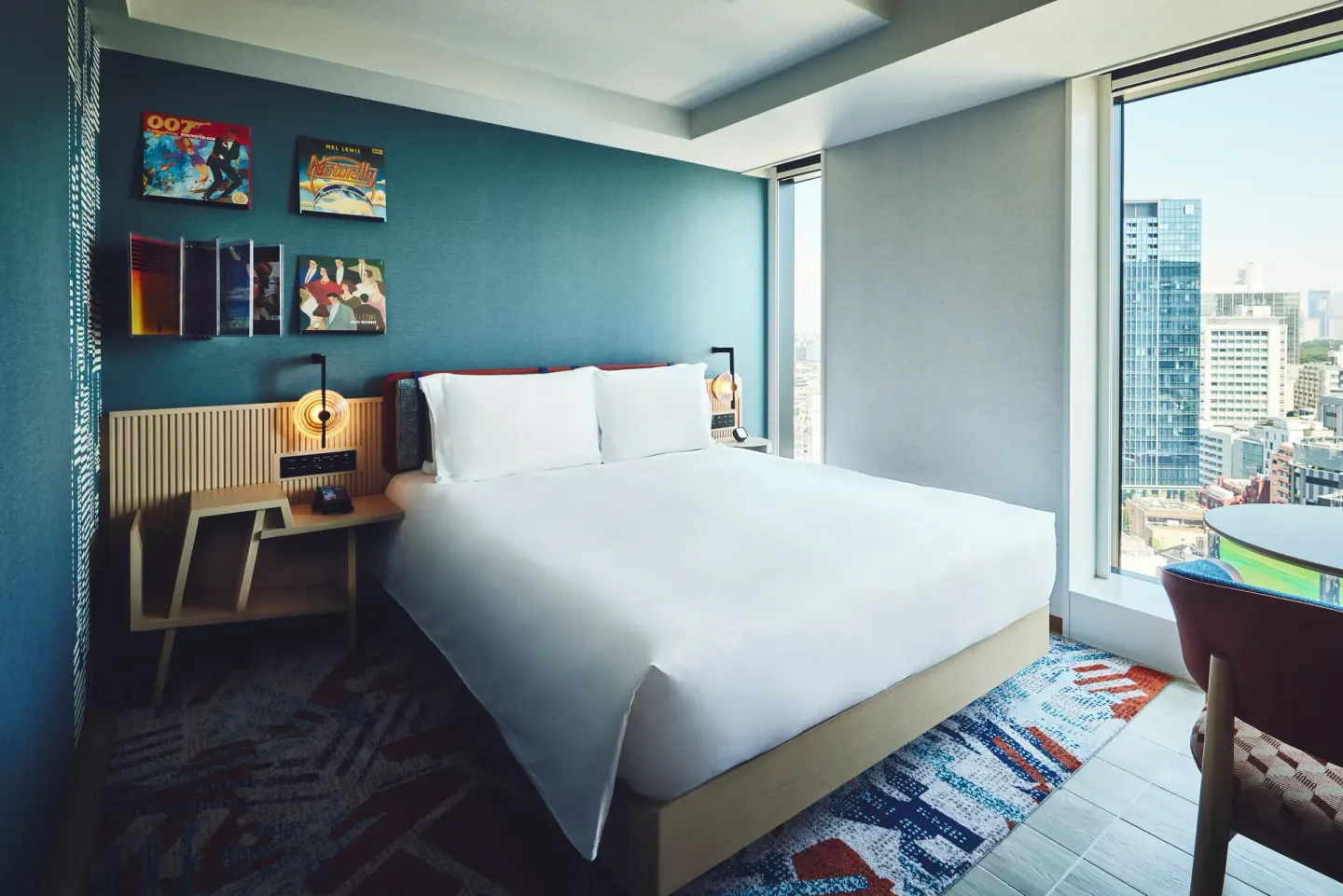
- Book: reserve Premium Room (Corner) or Premium Room (Scramble View, Separate Bath) early for city-views
- Timing: weekdays are less crowded than weekends for park visits
- Tip: breakfast service hours at Gallery 11 remain morning-focused — allow extra time if you have early blossom plans
| Activity | Best days/times |
|---|---|
| Cherry blossom viewing | Late March–early April; mornings on weekdays |
| Shibuya nightlife and evening skyline | Evenings — rooftop terrace and Bar Lounge open later |
| Museum visits (Shibuya Shoto, Ukiyo-e) | Weekdays for shorter lines |
May: mild weather and Golden Week crowds
May has pleasant temperatures and generally clear days, making it one of the most comfortable months travel-wise. The main caution is Golden Week (a cluster of national holidays) when domestic travel spikes and hotels in Tokyo can fill.
If you plan to travel over Golden Week, book rooms and confirm dining reservations at Gallery 11 or Shibrewya well in advance. Outside the holiday period, May is a great month for walking around Harajuku and Omotesando.
- Weather: warm, comfortable — light layers recommended
- Crowds: heavy during Golden Week; otherwise moderate
- Hotel note: rooftop terrace and Bar Lounge remain good options for evening views
| When to go in May | Why |
|---|---|
| Early–mid May (avoid Golden Week) | Enjoy mild weather without holiday crowding |
| Late May | Good for strolling Yoyogi Park and nearby neighborhoods |
| During Golden Week | Expect higher room rates and reservations required |
June–mid July: rainy season (tsuyu)
Tokyo’s rainy season usually runs from early June to mid-July. Rainfall increases, and humidity rises, so plan more indoor activities around Shibuya’s museums, cafes and covered shopping streets.
If you don’t want to travel in wet weather, avoid this window. If you do visit, keep flexible plans, bring a compact umbrella and allow extra time for transit during heavy rain.
- Expect frequent showers and higher humidity
- Indoor options: Gallery 11, Shibrewya, museums and covered malls
- Hotel benefit: free Wi‑Fi and 24-hour fitness let you stay productive during wet days
| Packing | Why |
|---|---|
| Compact umbrella and water-resistant shoes | Frequent rain and wet sidewalks |
| Light, breathable clothing | High humidity even on warm days |
| Flexible itinerary | Allow for indoor substitutes when heavy rain hits |
August: hot summer and festival season
August is hot and humid in Tokyo. Expect warm daytime temperatures and lively summer festivals across the city. Outdoor evening events can be enjoyable, but daytime sightseeing can feel strenuous.
If you visit in August, plan morning and evening sightseeing with midday breaks in air-conditioned spaces like the hotel, Gallery 11, Shibrewya or indoor attractions around Shibuya.
- Heat: bring sun protection and stay hydrated
- Schedule: do heavy walking in mornings and evenings
- Hotel tip: use the 24-hour fitness center during cooler hours; rooftop terrace is pleasant after sunset
| Best time of day | Activity |
|---|---|
| Early morning | Temple and park walks |
| Afternoon | Indoor museums, shopping, Gallery 11 lunch |
| Evening | Festivals, rooftop terrace and night skyline |

September–October: typhoon risk then autumn clarity
September can still carry typhoon risk and lingering heat; travel plans should remain flexible. By October, the weather typically cools and clears, making this a popular time for comfortable sightseeing and festivals.
October’s milder days lead into November’s peak foliage; Shibuya and nearby parks show autumn colors while crowds are usually smaller than spring cherry-blossom season.
- September: watch forecasts for typhoons and possible disruptions
- October: generally clear, pleasant temperatures for walking
- October–November: great period for autumn leaves at nearby parks
| Month | Travel note |
|---|---|
| September | Possible typhoon disruptions — check weather |
| October | Clear skies and mild sightseeing weather |
| November | Crisp days and strong autumn foliage |
November–December: autumn colors and holiday lights
November brings crisp, dry weather with notable autumn foliage in parks and temple gardens. December keeps cool but can be dry and offers holiday lighting displays across Tokyo neighborhoods.
This is a good window for clear views from the hotel’s rooftop terrace and for evening walks around Shibuya’s illuminated streets. Book Gallery 11 reservations early for weekend dinners during popular holiday periods.
- Weather: cool and dry — bring layers and a warm jacket for evenings
- Activities: leaf-viewing, holiday illumination walks, restaurants and rooftop nights
- Booking: weekend tables and popular room types (for views) fill faster during holiday weeks
| What to expect | Why it matters |
|---|---|
| Brilliant foliage in November | Best time for park and temple color |
| Holiday lights in December | Good for evening strolls and photos |
| Cool evenings | Bring warm layers for rooftop terrace views |